


Mastering Piano Lessons with Modern Techniques
- Aug 7, 2025
- 3 min read
Updated: Jan 21
Learning to play the piano is a thrilling journey. Whether you’re just starting or looking to sharpen your skills, modern techniques can make a huge difference. I’ve found that combining traditional methods with fresh, innovative approaches helps you learn piano effectively and enjoy every step of the way. Let’s dive into some practical tips and ideas that will transform your practice sessions and boost your confidence at the keyboard.
Why Modern Techniques Help You Learn Piano Effectively
Traditional piano teaching has its charm, but today’s learners benefit from a blend of old and new. Modern techniques focus on engagement, personalisation, and technology. These elements make learning more fun and efficient.
For example, using apps that provide instant feedback can help you spot mistakes early. Video tutorials let you see finger placements clearly. Plus, interactive sheet music can highlight notes as you play, keeping you on track.
Another key is tailoring lessons to your style and pace. Some people learn best by ear, others by reading music. Modern methods respect these differences and adapt accordingly.

Practical Tips to Boost Your Piano Practice
Here’s where the magic happens. You can apply these tips right away to make your practice sessions more productive and enjoyable:
Set Clear Goals
Break down your learning into small, achievable targets. For example, mastering a simple scale or a short piece each week. This keeps you motivated and gives a sense of accomplishment.
Use Technology Wisely
Apps like metronomes, recording tools, and virtual teachers can enhance your practice. Record yourself regularly to track progress and identify areas for improvement.
Mix Up Your Routine
Don’t just play the same pieces repeatedly. Try improvisation, sight-reading, or learning new genres. This variety keeps your brain engaged and improves overall musicianship.
Focus on Technique and Posture
Good habits prevent injury and improve sound quality. Pay attention to hand position, finger strength, and sitting posture. Consider short warm-up exercises before playing.
Practice Mindfully
Quality beats quantity. Instead of rushing through pieces, slow down and focus on tricky sections. Use repetition with intention to build muscle memory.

How Much Should You Spend on Piano Lessons?
Investing in your musical education is important, but how much should you budget? The answer depends on your goals, frequency of lessons, and the teacher’s experience.
Private Lessons: These usually cost more but offer personalised attention. Expect to pay between £20 and £50 per half-hour session in Aberdeen.
Group Lessons: More affordable and social, but less tailored. Prices can range from £10 to £25 per session.
Online Courses: Flexible and often cheaper, with prices varying widely. Some platforms offer subscription models for around £10-£30 per month.
Remember, the best investment is one that fits your learning style and keeps you motivated. Sometimes, paying a bit more for a great teacher who inspires you is worth every penny.
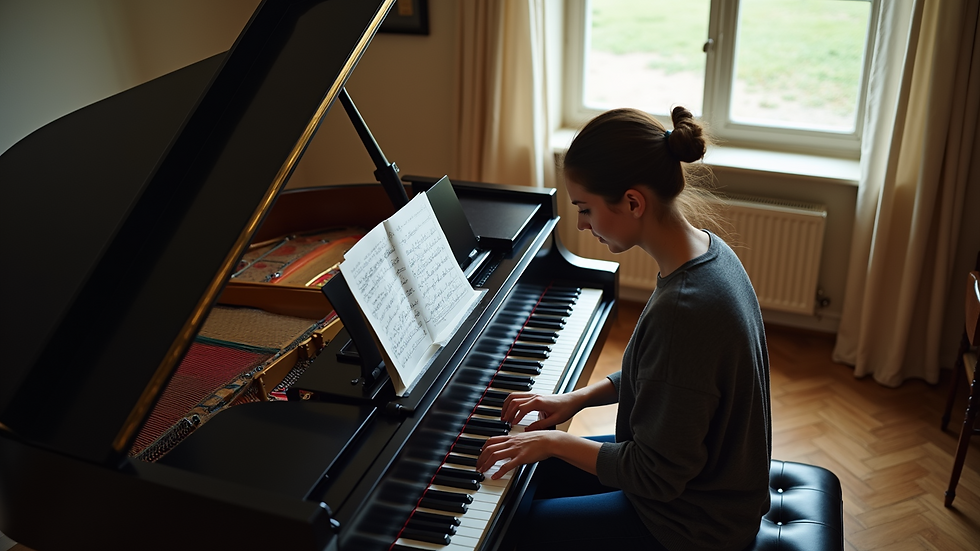
How to Choose the Right Piano Teacher or Program
Finding the right guide can make all the difference. Here’s what to look for:
Experience and Credentials: A qualified teacher with a solid background can provide structured learning and valuable feedback.
Teaching Style: Do they use modern techniques? Are they patient and encouraging? A good match will keep you excited about learning.
Flexibility: Can lessons be tailored to your schedule and goals? Flexibility is key for busy lives.
Resources: Does the teacher or program offer access to apps, sheet music, or practice tools? These extras enhance your learning experience.
If you’re in Aberdeen or nearby, consider checking out piano lessons at McBain Music School. They combine expert teaching with a fun, supportive environment that helps you grow as a musician.
Keeping Your Motivation High and Enjoying the Journey
Learning piano is a marathon, not a sprint. Staying motivated can be tricky, but here are some ways to keep your enthusiasm alive:
Celebrate Small Wins: Every new chord or song mastered is a victory. Reward yourself!
Join a Community: Playing with others or sharing progress online can boost your confidence.
Attend Recitals or Concerts: Seeing live performances inspires and connects you to the music world.
Mix Practice with Play: Don’t just focus on drills. Play your favourite songs and experiment with composing.
Remember, the goal is to enjoy the process as much as the results. With the right mindset and modern techniques, you’ll find yourself improving steadily and loving every moment at the piano.
Mastering the piano is a wonderful adventure. By embracing modern techniques, setting clear goals, and choosing the right support, you can learn piano effectively and make beautiful music. So, why wait? Start your journey today and watch your skills flourish!


Comments